
With Women Facilitating is an interview series about what shapes our facilitation practice.
For our inaugural interview, we chat with Taylor Elyse Morrison, co-founder of Women Facilitating, portfolio careerist, and PhD student.
When did you first call yourself a facilitator?
I first called myself a facilitator in 2016 or 2017 when I completed a facilitator training as part of a leadership development program, but I didn’t really start owning it as a core part of my portfolio career until 2020. I was responding to a a facilitation RFP when I realized that I could get paid for this skillset I’d been cultivating rather than having it be a side quest from my main job.
What types of experiences do you facilitate?
I primarily facilitate personal and professional development experiences. For five years, I had a body of work called Inner Workout where I led a lot of reflective well-being experiences. I’d lead journaling sessions, breathwork experiences, and guided meditations. These days, I incorporate those modalities into more “corporate” topics like change management, communication, and burnout. I’m pretty topic agnostic. My goal is to help people build skills that they can immediately apply to their real lives.
Describe your facilitation style in three words.
Grounded. Interdisciplinary. Candid.
People always tell me I have such grounding, calming energy, which makes me giggle because I am a neurodivergent women with what my therapist calls “an extremely active mind.”
But I understand where people are coming from with that sentiment. I like to bring people back to the present moment, back to the purpose of the session, and back to themselves. I chose interdisciplinary because I see myself as a weaver of different sources of knowledge and ways of knowing. One of my favorite sessions to lead is about the intersection of mindfulness and change agility. I thrive at the intersections. Candid encompasses how I want myself and participants to show up in the room. I hope to foster conversations where people can eschew the surface small talk and have real, rich conversations.
What’s a surprising or unexpected skill that makes you a better facilitator?
Being an introvert who was the only child at home. I am SO ok with silence, and I continue to be pleasantly surprised by what comes forth when you let people sit with a question for a little longer than they normally would.
Have you ever felt underestimated in a room you were facilitating? What did you do?
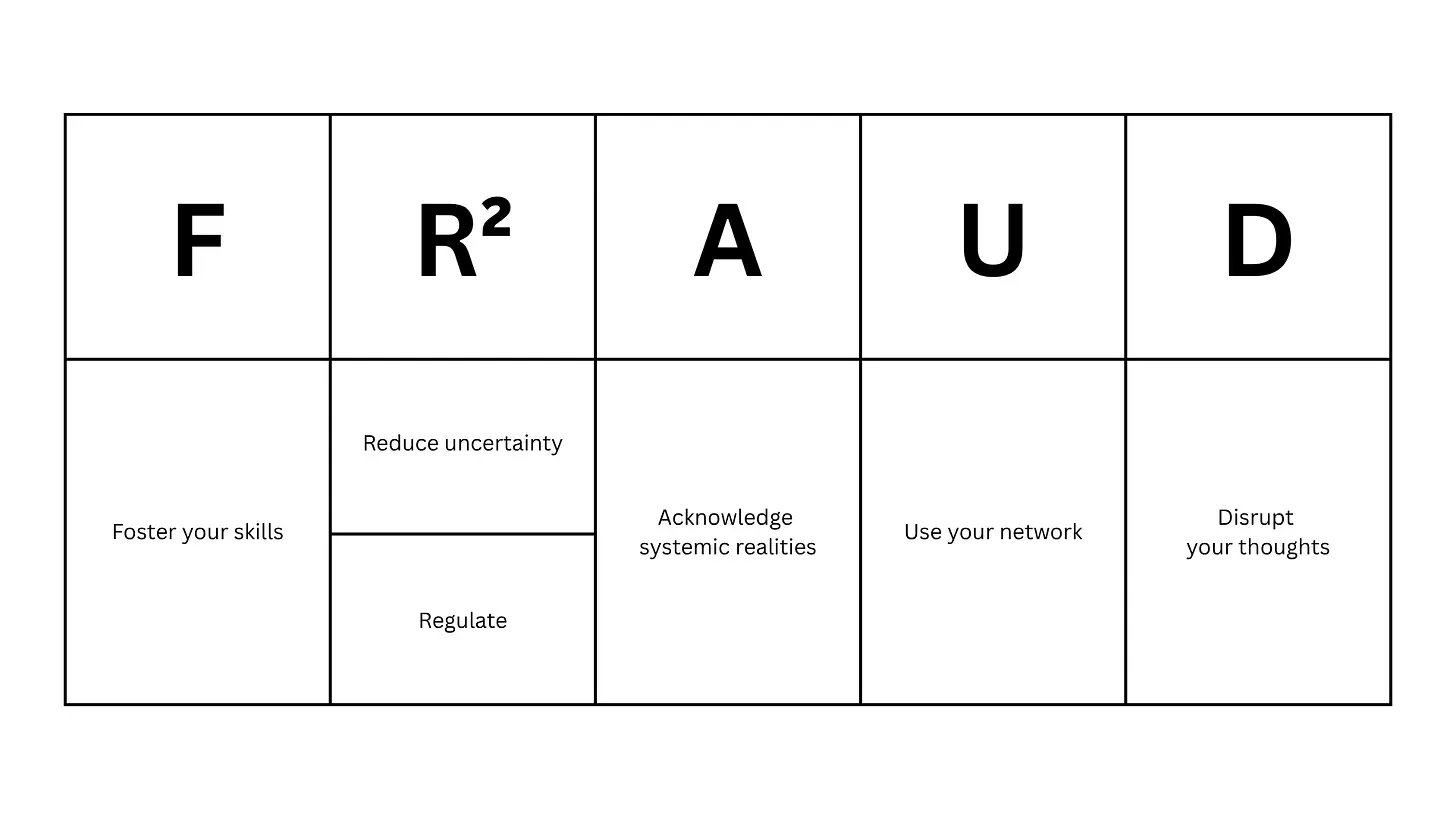
All the time! I’m a Black woman in my 30s who is often perceived as younger that I am. I actually built this whole framework for a class in my PhD program for dealing with the fraudy feelings that can accompany impostor phenomenon. The framework is rooted in a question I ask myself, “Is it the self, the system, or both?” Depending on the response, I’ll choose one of the below strategies.
What’s always in your facilitation bag?
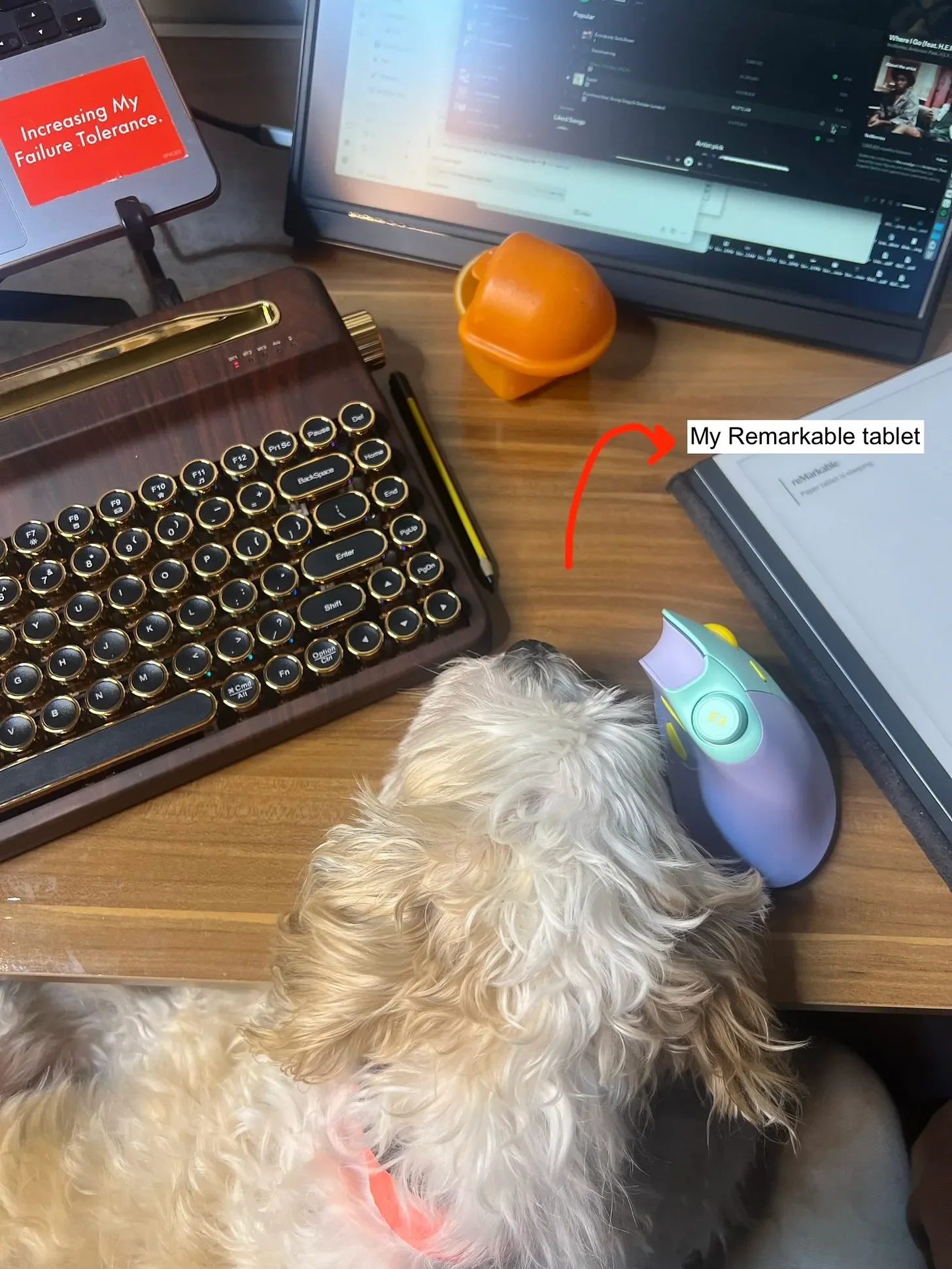
Besides the requisite sticky notes, I always have UBrands Catalina pens, Sharpies, my Remarkable tablet, a USB hub because corporate meetings rooms don’t always love Macs, and Throat Coat or ginger tea.
What’s a go-to song for your facilitation playlist?
Lush by Four Tet. Run time is just over five minutes, which gives me options for how I use it in a session. It’s a soft instrumental with a fast enough beat to not put the group to sleep.
Power outfit? What’s something you feel confident wearing as a facilitator?
I love a cotton or linen button down tucked into high-waisted pants and paired with chic loafers or comfy booties. It’s professional without being restrictive. I can move and groove throughout the day and be comfortable at the airport without needing to change.
What’s one resource you couldn’t live without — something you go back to again and again?
I drafted a set of questions to ask myself when I’m designing a workshop. They ground my process and highlight when I need more information.
Who is this workshop for?
What are the programmatic goals?
What are the participant goals? Obstacles?
What knowledge/experience are participants bringing to the session?
What do participants need to unlearn?
What do they need to learn about themselves?
What external knowledge or resources do they need?
What supports and structures do they need in order to grow beyond the session?
Who’s your dream co-facilitator?
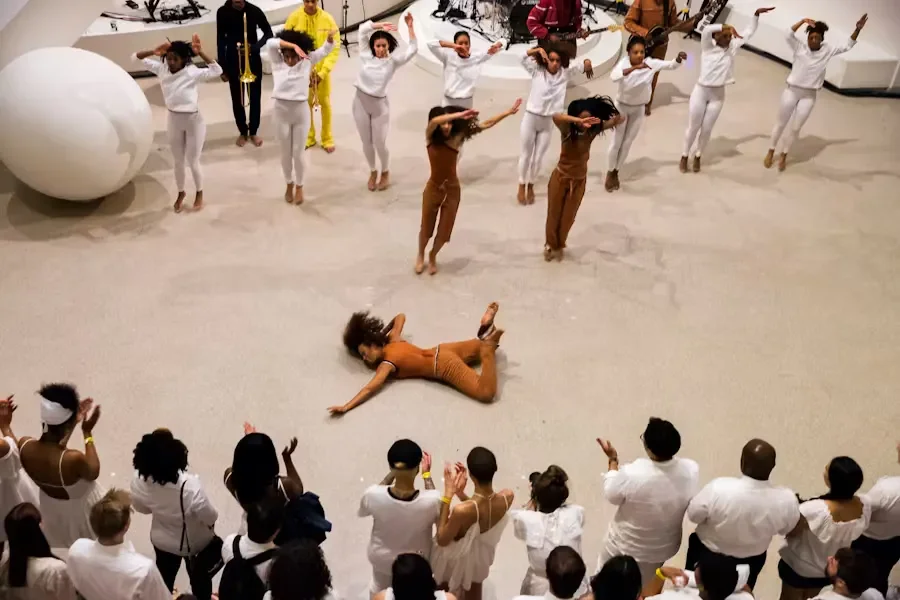
Solange. She is multidisciplinarity embodied. I really admire the way she brings people together to create these gorgeous experiences. I’ve been wanting to facilitate more artistic and creative spaces, and I can think of a better partner than her!
Who is a woman you admire for the way she leads or facilitates?
So many! I’m going to shout out my friend Debra Giunta, who is the Executive Director of Prismatic, where I am a board member. The organization has been going through a period of change and growth, and I’ve learned so much by watching Deb lead us through it. I particularly admire the way she invites healthy conflict into the conversation. Some leaders (and facilitators) shy away from pushback, but she welcomes it in service of our broader organizational goals.
Women Facilitating helps women own rooms and drive conversations that matter.