
With Women Facilitating is an interview series about what shapes our facilitation practice.
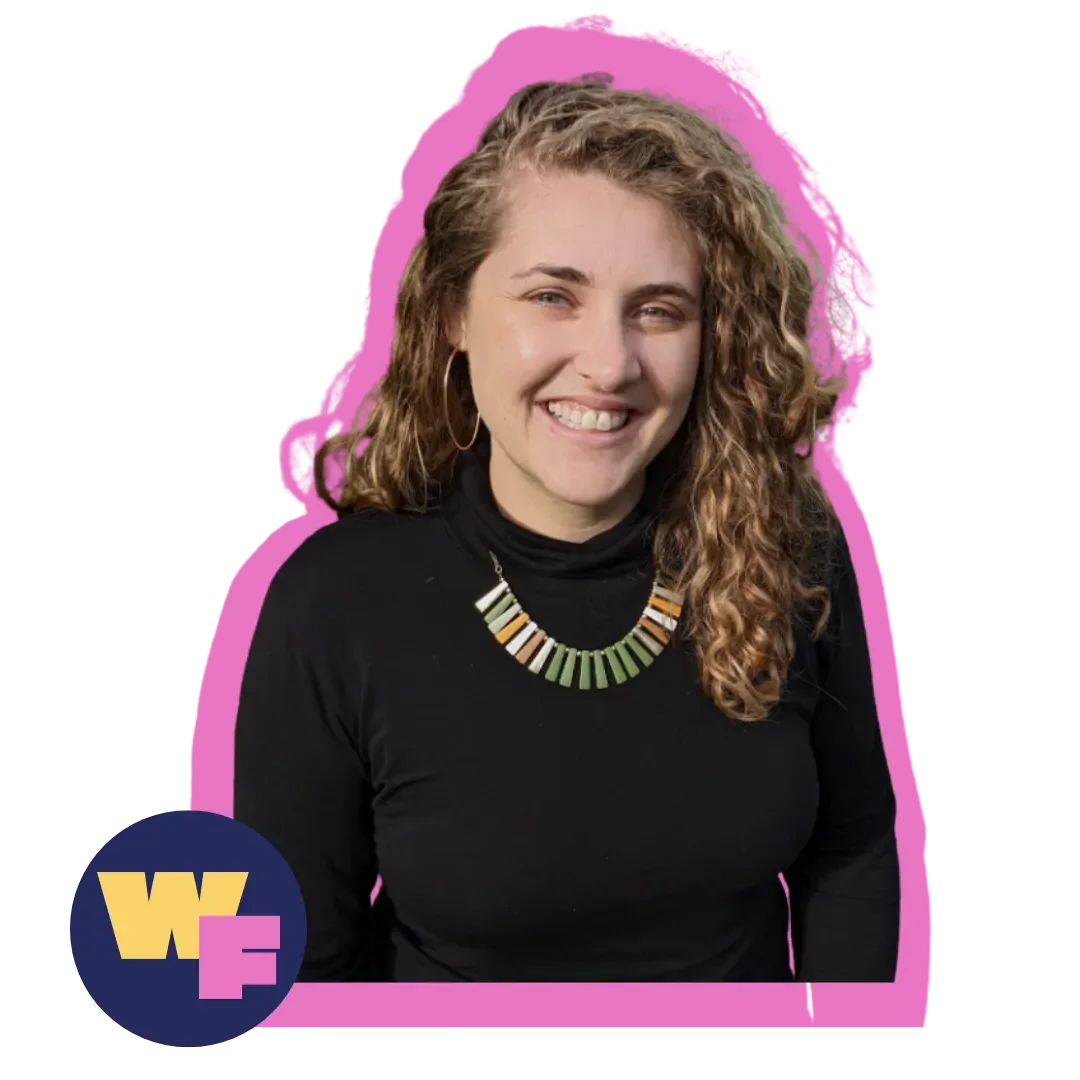
Today we’re chatting with Annie Grace, co-founder of Women Facilitating, co-founder of The Team Together, and expert facilitator.
When did you first call yourself a facilitator?
I was 24 and on a research trip through Southeast Asia, Australia, and New Zealand studying Social Impact Bonds and alternative funding sources for nonprofits. Along the way I kept meeting exhausted activists and leaders. In Singapore I found a small social enterprise called Self Spark that helped changemakers take better care of themselves with evidence-based practices for meditation, nutrition, and sleep. Funny enough, Self Spark had just joined a Conscious Capitalism incubator in Maryland, 20 minutes from my mom, so I flew home and moved into a startup house with a bunch of dudes I’d never met. In that year, I put on dozens of meetups, workshops, and conferences. I became the lead facilitator and experience designer, building events that paired learning with integration through mentors and coaches. I still led with activist as my core identifier, but my identity as a facilitator took root there.
What types of experiences do you facilitate?
Lately I’m in a lot of rooms with senior teams tackling hairy cross-department challenges such as cleaning up after a reorg, standing up a continuous improvement department, and deciding which employee feedback to act on.
I love naming the elephants in the room, working with the interpersonal dynamics, and introducing simple, new ways of working together.
I also run leadership development on the soft skills, including feedback, psychological safety, and clear communication during difficult moments. Around the Triangle in North Carolina , I help hold community spaces for facilitators, nonprofit leaders, and OD folks, including Facilitation Lab, the Unconference with Community Leaders Drinking Coffee, and the Triangle Organizational Development Network. And my favorite space to facilitate these days is Women Facilitating, where we co-host virtual events and co-learning for facilitators.
In my past life, I facilitated coalitions across environmental and humanitarian causes, partnering with government, nonprofits, and companies on wicked problems, from literacy efforts in Tulsa and Baltimore to organizing to stop the construction of what would have been the largest dam in Colorado. I also designed and facilitated conferences for high net worth individuals and family offices to create new funding vehicles for nonprofits.
Describe your facilitation style in three words.
Embodied, practiced, relational
What’s a surprising or unexpected skill that makes you a better facilitator?
I’ve got some neurodivergence (like many of the cool kids these days),including dyslexia, ADHD, and executive functioning. You would never choose my spelling for writing on stickies (lots of mistakes IRL, which is why I love Mural), but my dyslexia lets me connect disparate dots.
When I’m on my game, I can see the forest and the trees, hold the organizational context and the relational field, and track what’s happening in the room to help a group move forward.
Have you ever felt underestimated in a room you were facilitating? What did you do?
I once had a client where all three of the most senior men on the C-suite team were named Craig, and the team description on the website almost looked like a bit on SNL parodying a tech company since the entire senior team was white and grey haired.
I remember standing in front of these 12 senior leaders, everyone about 10 to 30 years my senior, and how much I felt those first 15 minutes mattered. I knew the tone I set would influence our two days together. I took up space and commanded attention in the room. I leaned into being explicit about my expertise while acknowledging theirs. I had a candid conversation with the CEO who asked me to interrupt him because he knows he can talk too much, and I made sure to make use of it when he did.
I also leaned into the feminine elements they were longing for, and over dinner I opened the room for team acknowledgements and celebrations that led to tears and connection over storytelling. I balanced my feminine and masculine, standing in my power that I know lies in that balance, and looking back I assumed they underestimated me more than they really did. They were very attentive to my recommendations and instructions, and sought my advice moving forward.
For me to move past the feeing of being underestimated, I stand in my gifts and depth of experience, while acknowledging theirs and inviting them to build something better together that we couldn’t do alone.
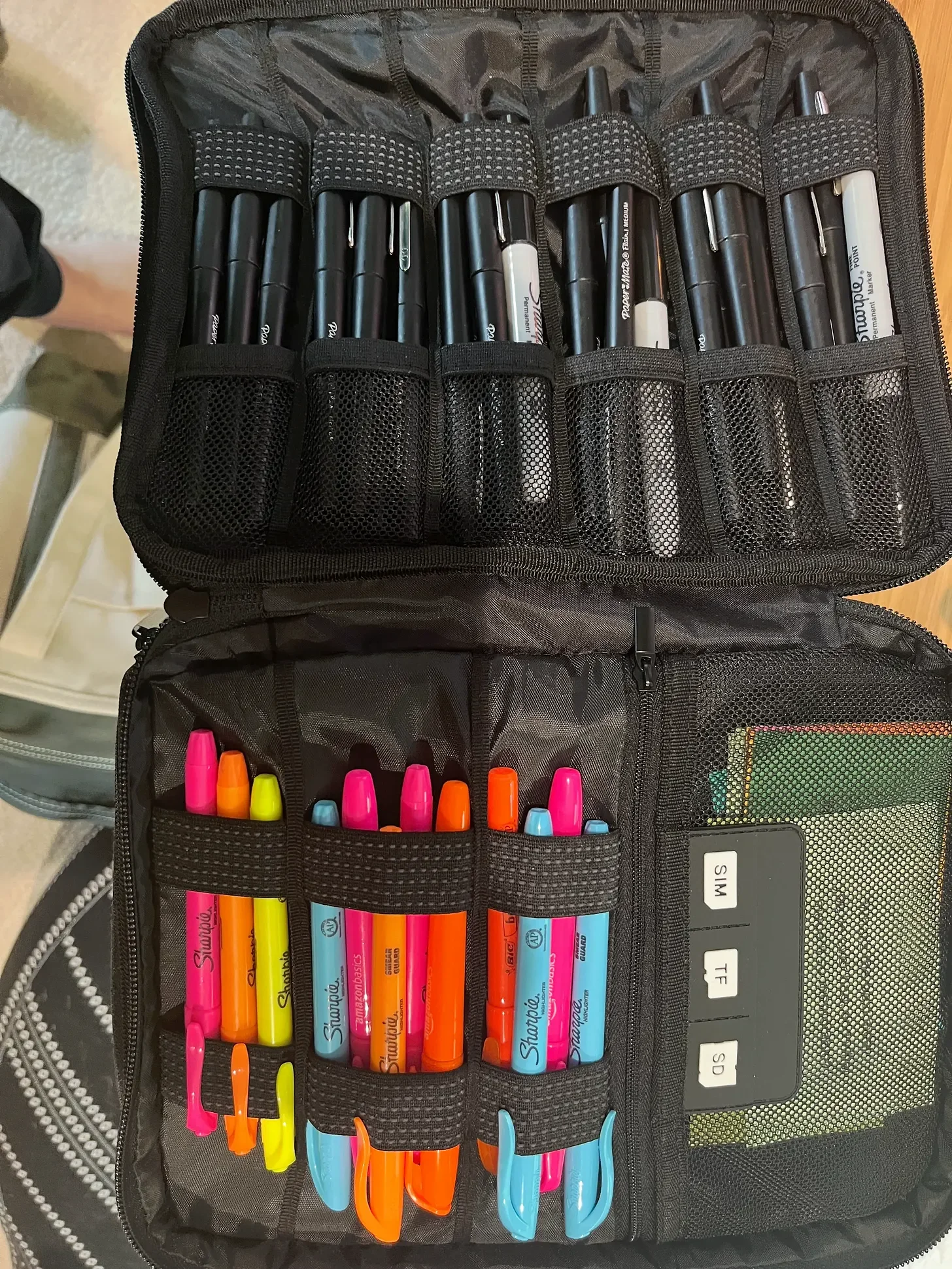
What’s always in your facilitation bag?
A lot of Paper-Mate flair tip medium pens. The best pen for writing on a sticky note.
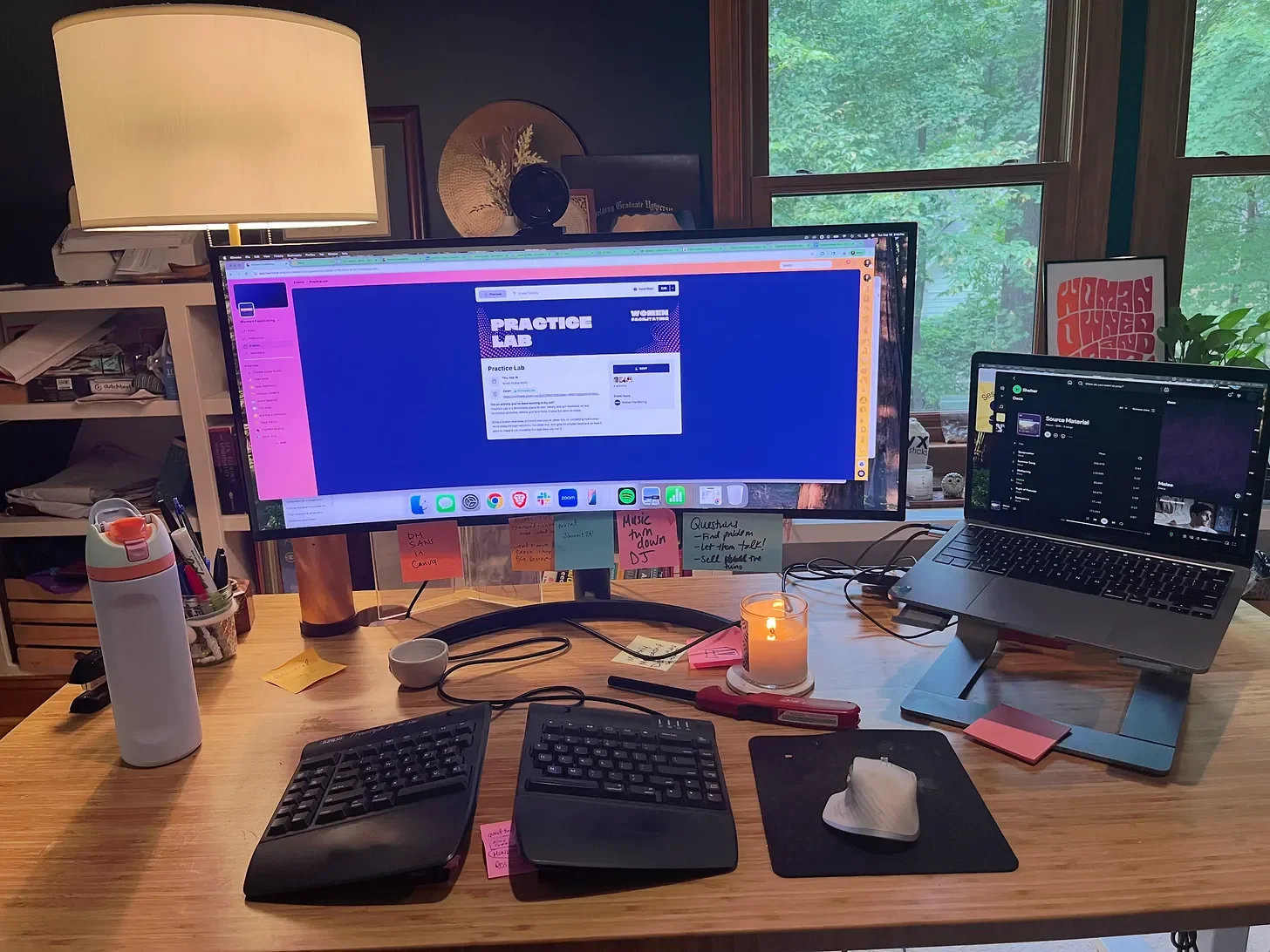
What’s a go-to song for your facilitation playlist
Deca’s whole album “Source Material” is facilitation music gold.
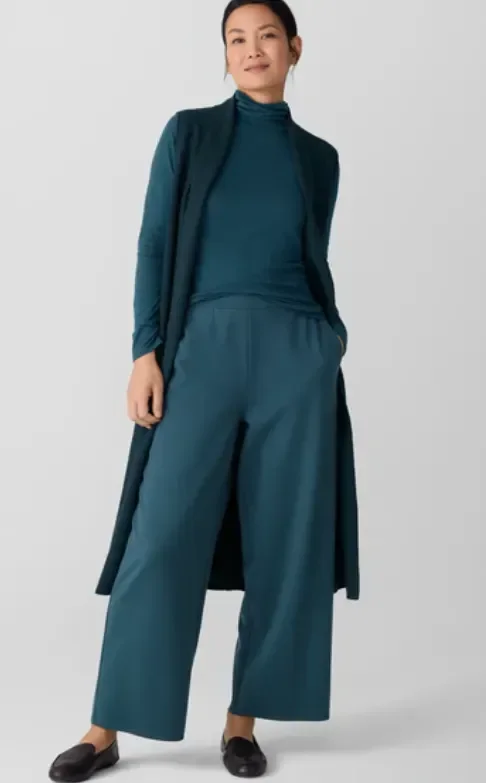
Power outfit? What’s something you feel confident wearing as a facilitator?
A monochrome Eileen Fisher pants, shirt and sweater. Comfortable first, polished and authentic so I feel at home in my body.
What’s one resource you couldn’t live without — something you go back to again and again?
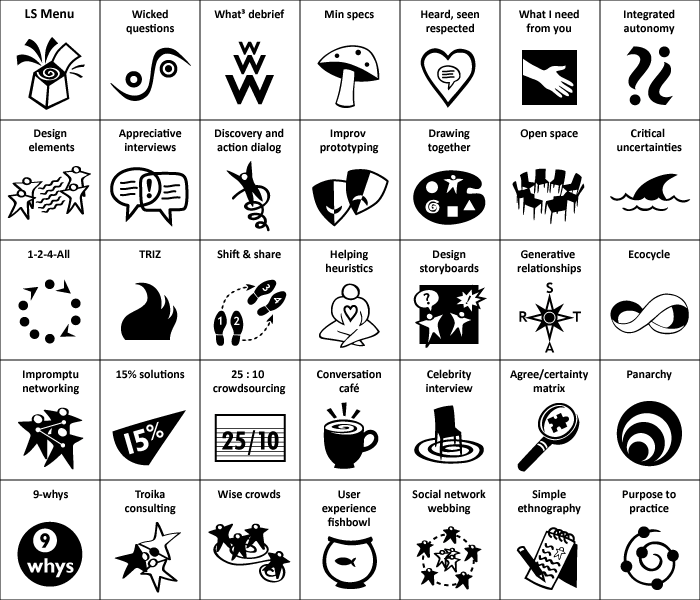
Who’s your dream co-facilitator?
Dreams do come true! Shannon Varcoe and Taylor Elyse Morrison
Who is a woman you admire for the way she leads or facilitates?
I took a year-long course studying and practicing Western alchemical occult. One of the main facilitators, Laila Matthews, always left me feeling held, challenged, and laughing. She brought esoteric, complicated concepts into practical, modern exercises and used a theatrical flair (lighting, music, incense, and thoughtful experience design) to build a whole new world at each retreat. She is fully herself, sometimes brusque and direct and also relational and inviting, never shying away from difficult subjects and walking without judgment, so you want to be her friend and you’re game for whatever she invites you into.
Women Facilitating helps women own rooms and drive conversations that matter.